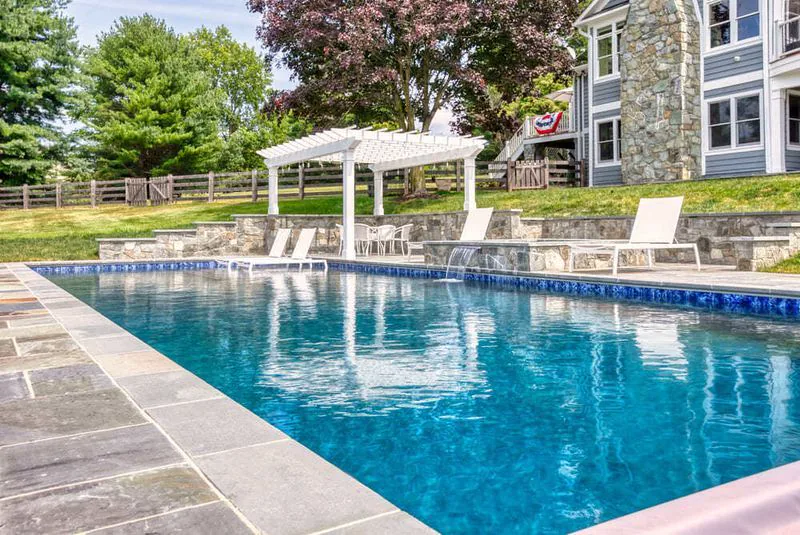
A gunite pool is a luxurious and long-lasting addition to your backyard, but proper maintenance is an integral part of its longevity. Keeping up with regular care might seem overwhelming if you're new to pool ownership. However, with the right knowledge and a consistent routine, maintaining your pool will become second nature.
xScape builds beautiful gunite pools in Northern Virginia, along with just about any other backyard paradise you can dream up. We believe in supporting our clients beyond the installation process to protect their investment.
Get comfy.
Pool school is in session.
We’re here to walk you through essential pool maintenance practices, from balancing water chemistry to cleaning best practices, ensuring your pool remains in top condition for years to come.
Gunite pools are popular due to their durability, customizable designs, and elegant appearance. Deciding on the right dimensions and configuration from the beginning makes long-term care much easier, and our guide on how big your pool should be can help you consider important factors like size, shape, and layout before you build. Like any pool, they require specific maintenance to prevent surface wear, staining, and water imbalances.
Gunite pools require regular upkeep, but with the right approach, they are no more difficult to maintain than other pools. The key is consistency: staying on top of water chemistry, cleaning, and equipment care will prevent costly issues down the road.
A well-maintained gunite pool can last 50 years or more, though the interior surface should be resurfaced approximately every 10 years. Keeping the water properly balanced and addressing minor repairs promptly will extend the life of your pool.
Focus on four key areas to keep your gunite pool in optimal condition.
Ensuring balanced water prevents algae, staining, and surface degradation.
Regular skimming, brushing, and vacuuming keep your pool clear and prevent buildup.
Pool pumps, filters, and skimmers must be cleaned and maintained for proper function.
Pool care changes with the seasons, requiring different
Balanced water chemistry is the foundation of proper pool maintenance. Poorly maintained water can damage your pool’s surface, encourage algae growth, and cause swimmers discomfort.
The pH level determines how acidic or basic your pool water is. A pH that is too high or too low can cause skin and eye irritation, damage pool equipment, and reduce the effectiveness of chlorine.
To keep your pool water safe and balanced, test it regularly and adjust the following chemical levels as needed:
7.2 – 7.8 (prevents irritation and protects surfaces)
1 – 3 ppm (keeps water sanitized and free of bacteria)
80 – 120 ppm (helps stabilize pH levels)
200 – 400 ppm (prevents calcium buildup in pools and plaster erosion)
Use a reliable pool testing kit at least twice weekly.
If levels are off, add chemicals in small amounts, allowing time for circulation before retesting.
After heavy use, rainstorms, or algae growth, shocking the pool with a high dose of chlorine helps restore balance.
Sunlight can break down chlorine quickly—cyanuric acid (CYA) helps protect chlorine levels.
Cloudy water, scaling, staining, or algae growth can indicate chemical imbalances that need immediate attention.
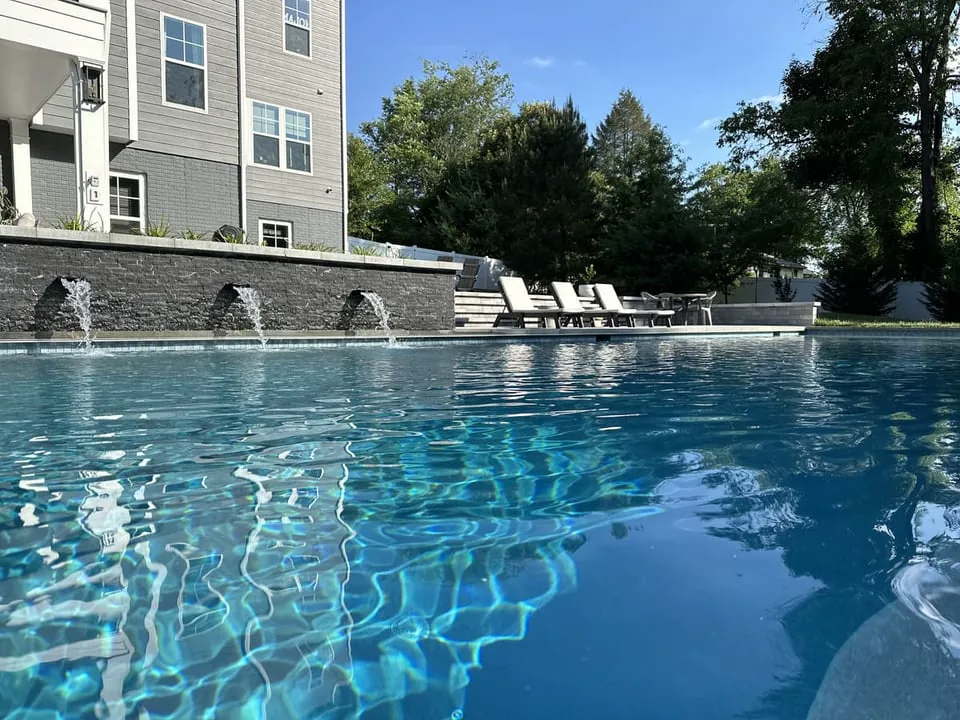
Wondering how to clean a gunite pool? We’ve got you. Keeping your gunite pool clean helps prevent algae growth, extends the life of your pool surface, and reduces strain on your filtration system.
Consistent cleaning prevents debris buildup and maintains water clarity. Follow these simple routines:
Use a long-handled skimmer to remove leaves, bugs, and floating debris before they sink and cause stains.
Ensure the water stays at the midpoint of the skimmer opening for proper circulation.
Cloudy water may indicate an issue with filtration or chemical balance.
Gunite surfaces are porous, making them prone to algae and stains. Brushing once a week helps prevent buildup.
Whether using a manual or automatic pool vacuum, weekly vacuuming removes dirt and sediment from the pool floor.
Keeping these debris-free allows for proper water circulation.
Even if you tested earlier in the week, give your water a second look, especially after heavy rain, high usage, or extreme temperatures.
Look for cracks, rough patches, or calcium buildup that may require resurfacing.
Depending on the type (sand, cartridge, or DE), clean or replace the filter as needed.
Increase skimming and vacuuming in the fall due to falling leaves; shock the pool more frequently in the summer due to higher usage.
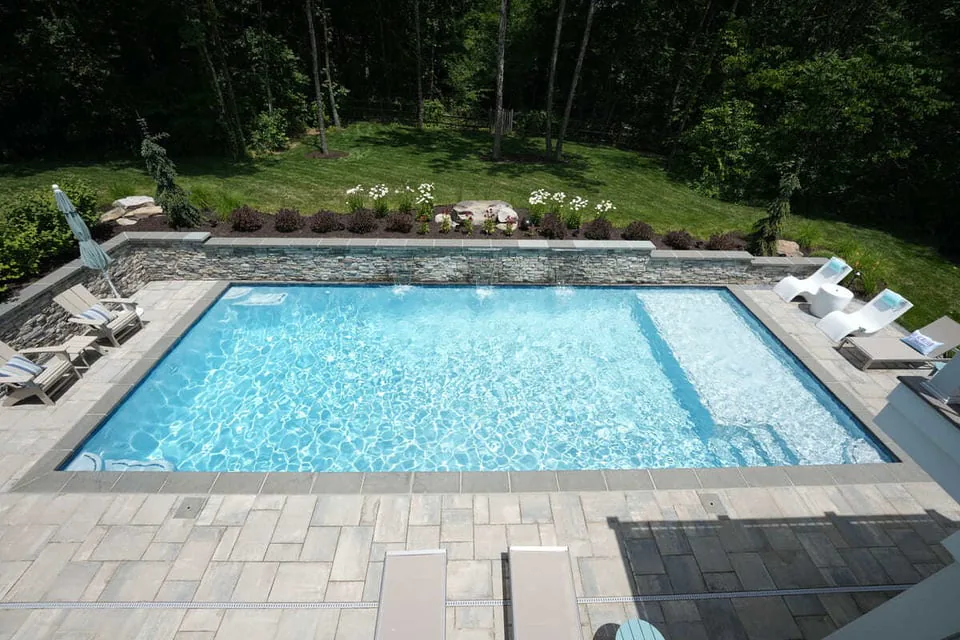
Investing in an automatic pool vacuum can make maintenance much easier if you want to reduce manual labor.
Ideal for deep cleaning, they scrub walls, floors, and steps while filtering debris.
Connect to your pool’s skimmer and vacuum debris directly into the filtration system.
Use water pressure from the return line to propel themselves and collect debris in a separate bag.
The pool filter removes dirt, oils, and fine debris from the water. Proper care depends on the type of filter.
Backwash every 4–6 weeks and replace sand every 5 years.
Clean cartridges with a hose every 2–3 weeks and replace annually.
Backwash when pressure increases by 10 psi and replace DE powder as needed.
Check that all return jets are properly directing water to promote even circulation.
Ensure the pump is running for at least 8–12 hours per day to keep water moving and prevent stagnation.
If you notice weak water flow, check for clogged baskets, dirty filters, or air leaks in the system.
Each season brings unique challenges for pool maintenance. Adjusting your care routine accordingly will keep your pool in peak condition while reducing the risk of costly repairs.
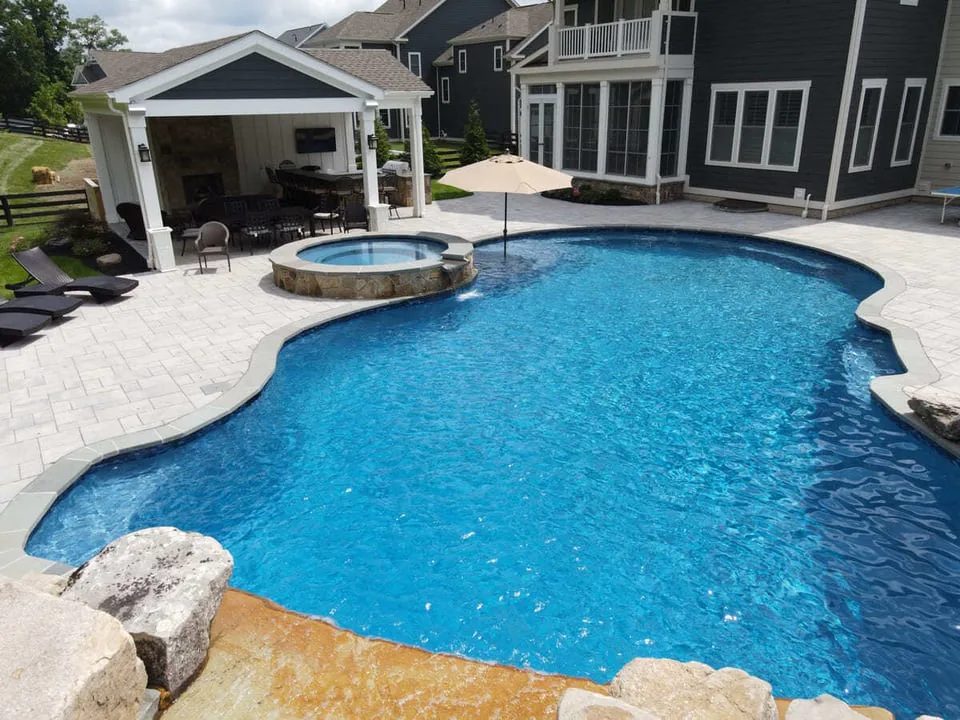
When warmer temperatures return, it’s time to get your pool ready for swimming season. Here’s how to properly open a pool after winter.
If you use a cover, clean and dry it before storing it to prevent mold and mildew.
Check for leaks, cracks, or any damage caused by freezing temperatures. Ensure all components are functioning properly.
Add water if necessary to bring it back to the midpoint of the skimmer opening.
Start by testing pH, alkalinity, and chlorine levels. Add chemicals as needed.
A high dose of chlorine eliminates bacteria and algae that may have developed during the winter months.
Allow the pump and filter to run continuously for at least 24 hours to clear out any contaminants.
Remove any dirt or debris that may have settled at the bottom.
Proper winterization prevents damage to your pool and equipment during freezing temperatures. Follow these steps to close a pool for winter.
Skim, brush, and vacuum the pool thoroughly.
Reduce the water level below the skimmer to prevent freezing damage.
Add winterizing chemicals to prevent algae growth and scaling.
Remove ladders, handrails, and any accessories. Store them in a dry place.
Blow out the plumbing lines to remove excess water and prevent pipe damage.
Use a secure pool cover to keep out debris and prevent evaporation.
Even with proper maintenance, your gunite pool will eventually need resurfacing to maintain its integrity and appearance.
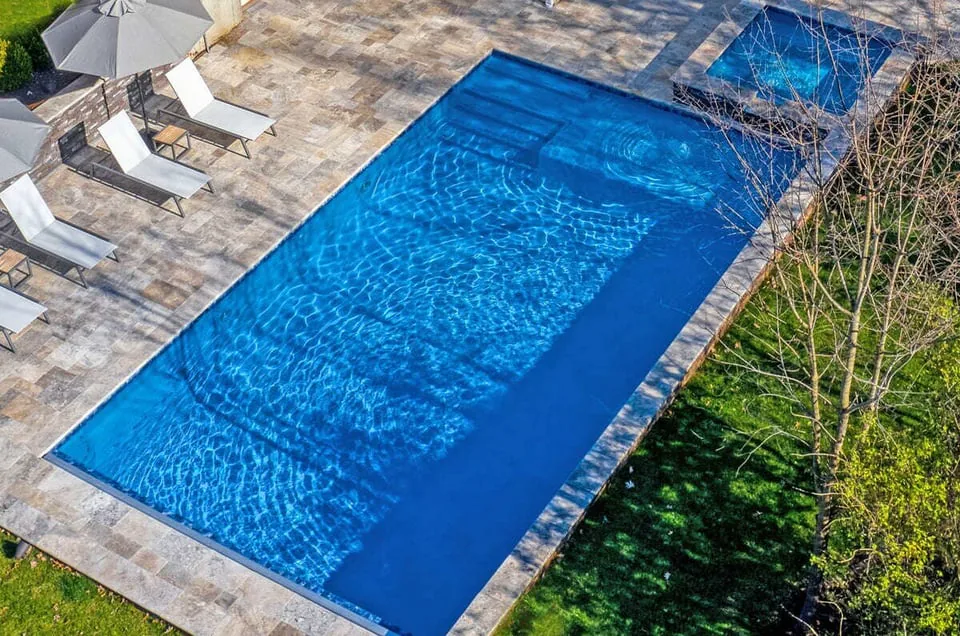
Gunite pools generally need resurfacing every 10 years, depending on the following factors.
(unbalanced water can degrade surfaces faster).
(plaster may need resurfacing sooner than pebble or quartz finishes).
Look for the following signs that indicate your gunite pool may need resurfacing.
A coarse texture can cause discomfort and indicate surface wear.
Persistent gunite pool stains may indicate that the finish is deteriorating.
Visible damage to the plaster or finish layer.
If you notice frequent water loss unrelated to evaporation, your pool may have surface leaks.
When it’s time to resurface, homeowners have several options.
The most common and affordable option but requires resurfacing sooner.
More durable and resistant to staining.
A mix of quartz and plaster that provides better longevity and aesthetic appeal.
Premium options that offer the longest lifespan and a luxurious look.
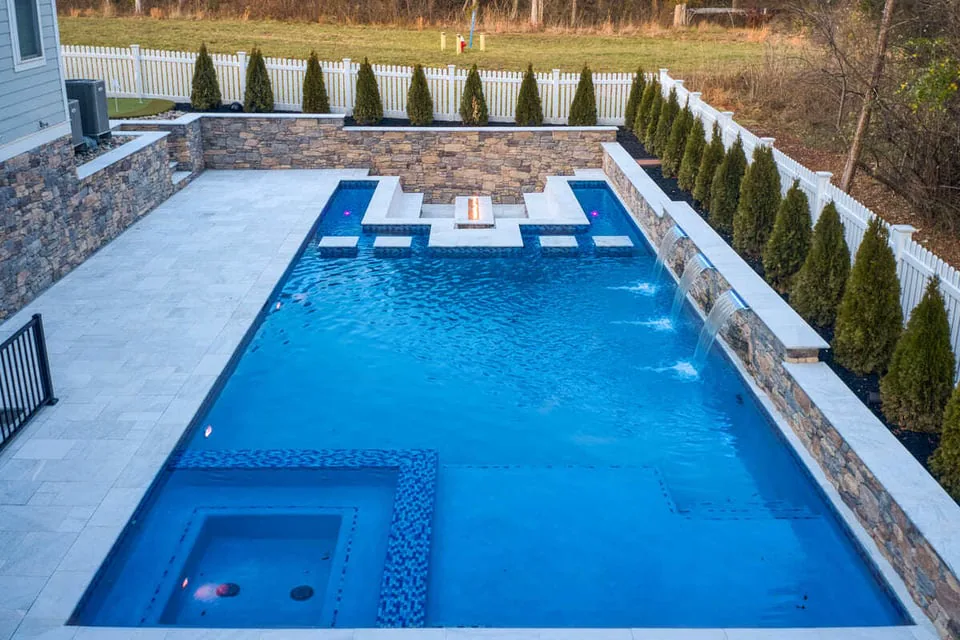
As a new pool owner, you might have questions about routine care, chemical balancing, and equipment maintenance. That’s where Pool School comes in. After xScape builds your new gunite pool, we make sure you understand everything you need to do to care for your new investment with an educational session designed to help you confidently maintain your pool from day one.
xScape specializes in designing and installing high-quality pools, and we want to ensure you feel confident about maintaining your investment. If you’re considering adding a custom gunite pool to your outdoor space in Fairfax, Loudoun, or Prince William County, xScape is here to bring your vision to life.
Our expert team will guide you through the entire process, from design to installation, ensuring your pool is stunning and built to last.
Ready to create your dream backyard with a custom pool? Contact xScape today to start planning your outdoor oasis.